
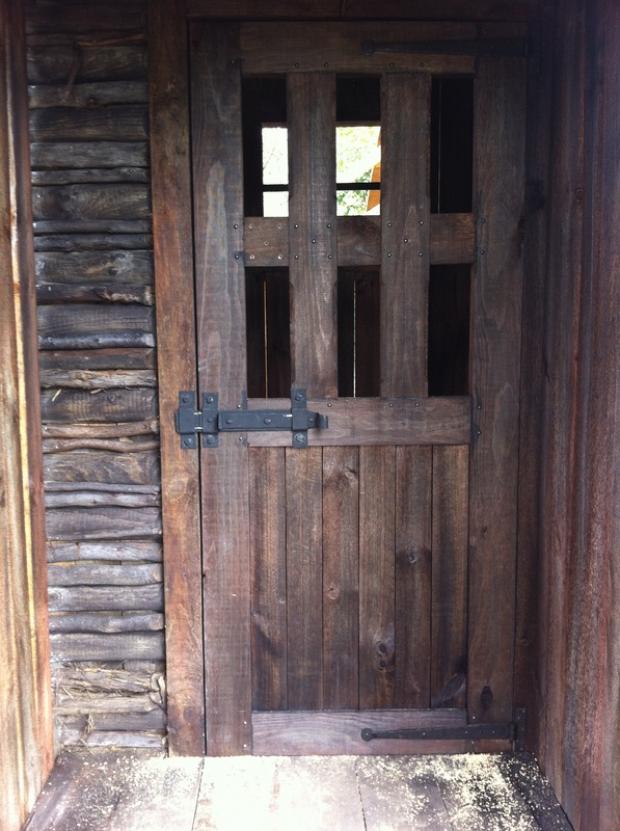
According to a new article on SMH.au Banished will complete filming in Sydney next Monday, before moving back to Manchester.
On the western bank of the dam, groups of abject prisoners and musket-carrying soldiers in scarlet coats go about their business among smoky cooking fires, mean canvas tents and rough-hewn slab huts. At one end of the settlement a Union flag flutters, while at the other a scaffold casts an ominous shadow over the whole scene at the popular beauty spot. This pitch-perfect, extensive recreation of the settlement established at Sydney Cove by Arthur Phillip is the backdrop to a new seven-part epic TV series tracing the privations and challenges faced by the settlers.
Banished comes from the pen of veteran English dramatist Jimmy McGovern (Redfern Now, Cracker) and is a joint UK/Australian production for a new channel, BBC First. Advertisement But don’t expect a historically accurate account of the struggles of Governor Phillip (played by David Wenham) to set up a colony in this strange and lethal new land. “This is our 1788,” says producer Sita Williams.
“This isn’t a historical drama. This is not a drama documentary. This is a drama inspired by events around the arrival of the first fleet.” While Williams says for those first colonists it would have been like “landing on the moon”, she and McGovern went out of their way to avoid reading any of the standard histories of the period, such as Robert Hughes’ The Fatal Shore.
The action in Banished, which covers just eight days in the life of the fledgling colony, would tell “stories of deceit, stories of danger, of conspiracy, of hope”, she says. Filming on the banks of Manly Dam is due to wrap up on Monday , after which the cast and crew will decamp to studios in Manchester. There they will have the added technical challenge of filming the interior scenes.
Williams described the Manly location, with its backdrop of angophoras and the lake, as “perfect”. When the series airs on Foxtel next year, eagle-eyed viewers will also spot some early scenes shot in Wattamolla in the Royal National Park in Sydney’s south.
One of the set builders has shared photos of the gallows and other buildings on his website.


Recent comments